
When planning rigid boxes production, brands often prioritize design, box construction, and surface finishes but may underestimate the importance of paper weight. This factor influences a sturdy gift box’s durability, print results, and manufacturing expenses.
In this guide, Khang Thanh explores GSM measurements, typical paper weight ranges, and practical ways to choose the right material for your rigid box packaging needs.
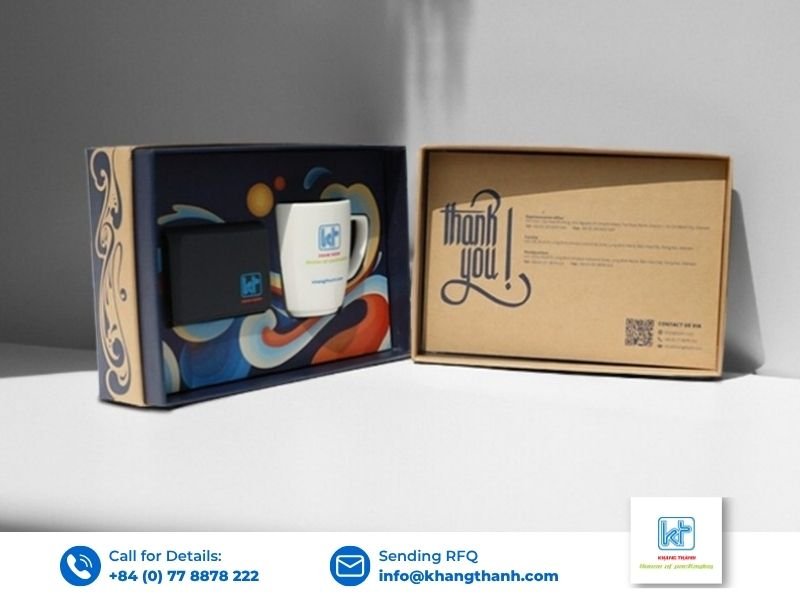
Paper weight explained
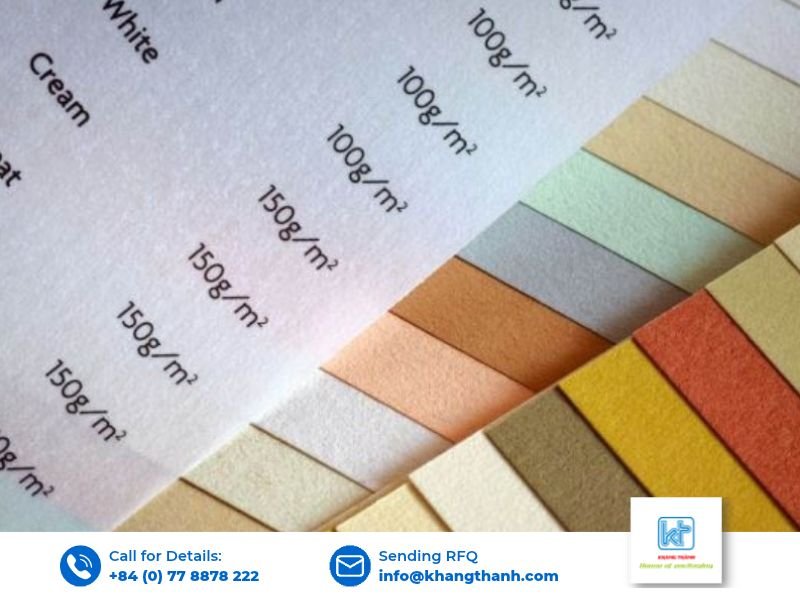
Paper weight, measured in Grams per Square Meter (GSM), refers to the weight of one square meter of paper. In other words, it indicates the amount of material used to manufacture the paper, influencing its rigidity, durability, and surface performance during printing and converting.
Generally, a higher GSM gives the paper a sturdier feel. However, a higher GSM does not necessarily mean the paper is thicker, as thickness also depends on the paper fiber structure and manufacturing process.
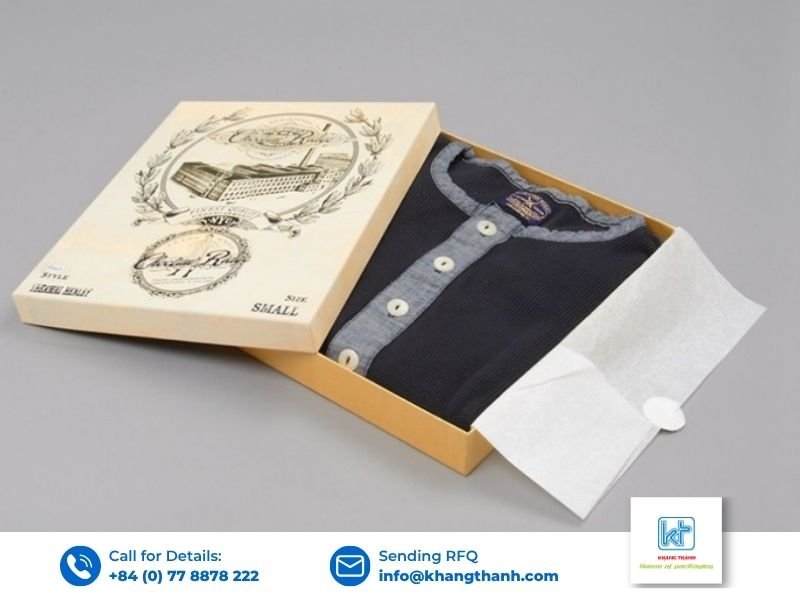
For rigid boxes, the printed paper primarily serves as the exterior wrapping material. It is laminated onto a rigid greyboard core to create the finished box structure.
>>> Rigid boxes by Khang Thanh | Durable, premium presentation
How paper weight influences rigid boxes production
Selecting the appropriate paper weight plays a key role in rigid boxes manufacturing such as product protection, minimizes material waste, and optimizes overall production costs.
Paper weight and box strength for product protection
During the production of rigid setup boxes, the printed paper is laminated onto a rigid greyboard core to create a durable box structure. For that reason, if the paper weight is too low, the outer surface is more likely to wrinkle, tear, or lose its ability to withstand impact.
In contrast, by choosing the appropriate GSM, rigid set up boxes can maintain their shape throughout shipping, handling, and storage.
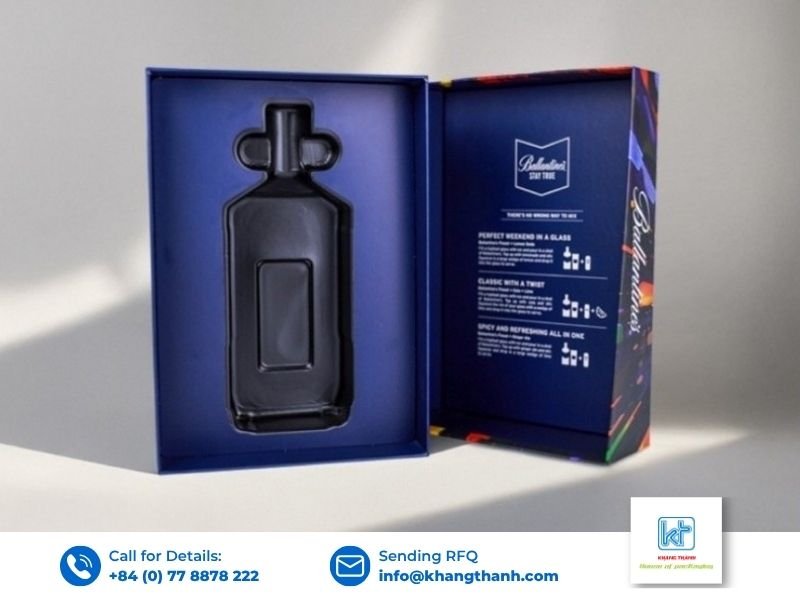
Influence rigid box packaging print quality
Paper weight has a direct impact on the visual quality of luxury rigid boxes. In other words, the right paper grade and GSM are selected, the finished box can achieve outstanding printing performance, including:
- Sharper colors
- Clearer image details
- Reduced ink bleeding and smudging
- Better results for foil stamping, embossing, spot UV, and lamination
This is particularly important for luxury sturdy gift boxes, where premium packaging plays a significant role in enhancing brand value.

Managing production costs through paper weight selection
Many brands assume that thicker paper automatically results in better packaging. However, selecting an excessively high GSM may increase material costs, packaging weight, shipping expenses and production time.
Instead, manufacturers should choose a paper weight that provides the right balance between quality, functionality, and cost efficiency.
>>> Understanding rigid boxes: Structure, types, and uses
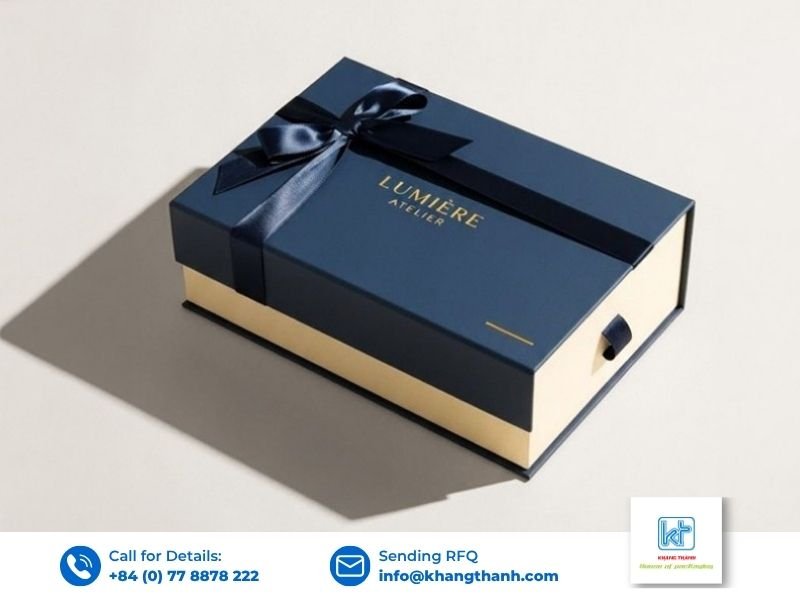
Typical GSM ranges for rigid boxes
Different paper types are available in various GSM ranges depending on the intended application. Considering these factors helps ensure the paper material supports both product protection and branding objectives for rigid presentation boxes.

In the other hand, before selecting a paper for custom rigid gift boxes project, brands should evaluate several key project requirements:
- Is the product heavy or lightweight?
- Does the box require a specific tactile surface?
- What brand image should the packaging communicate? (luxurious, glossy, minimalist, or environmentally friendly)
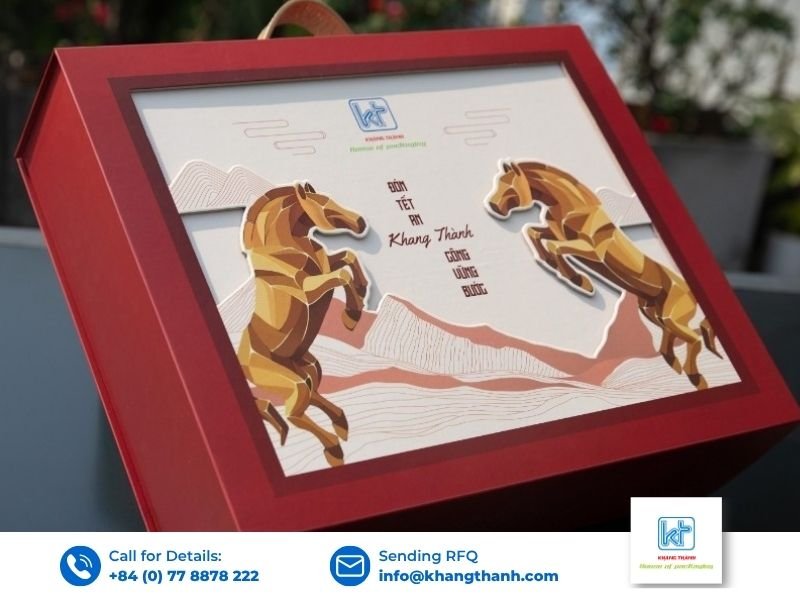
Selecting paper weight for different rigid box styles
There is no standard GSM suitable for every product. Thus, the ideal paper weight depends on the rigid box size, product weight, and branding requirements.
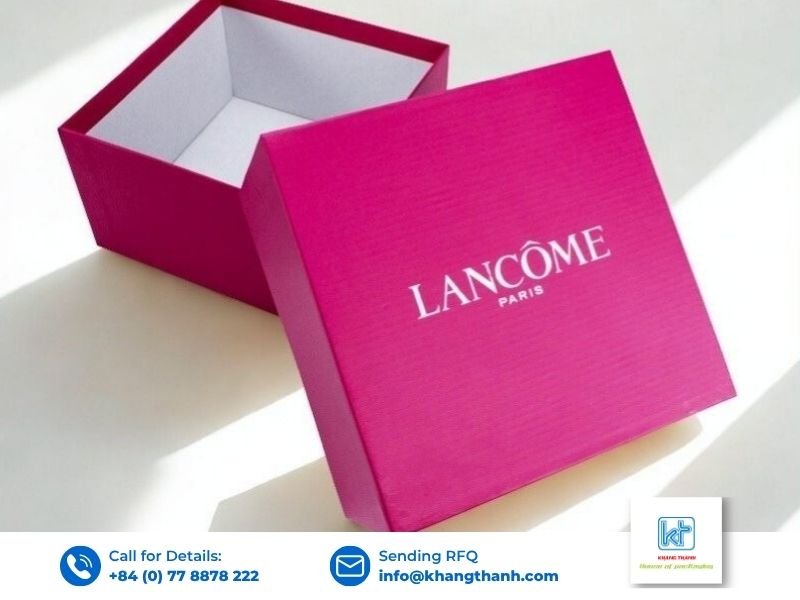
- Cosmetic rigid boxes
Cosmetic sturdy gift boxes typically use 250–300gsm C2S Art Paper (Couche) or Ivory paper to achieve excellent print quality while remaining easy to convert.
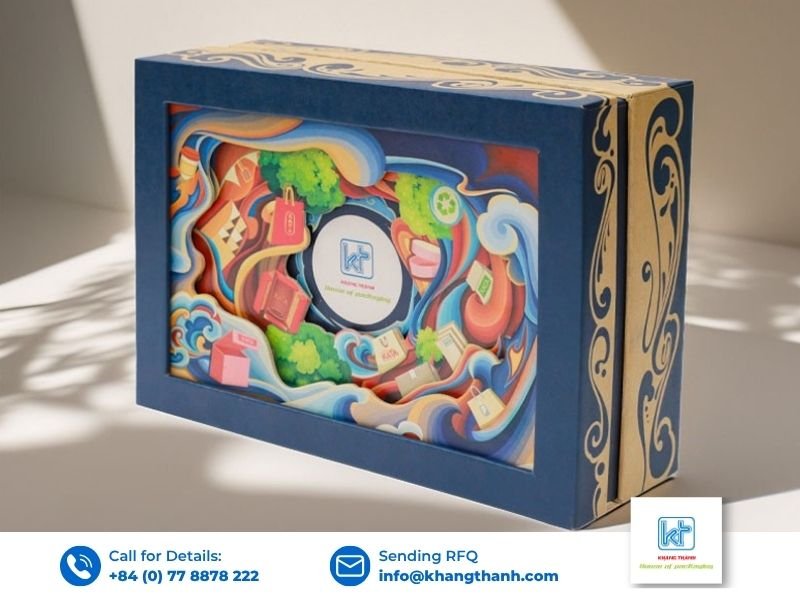
- Luxury sturdy gift boxes
Premium sturdy gift boxes often use 250–350gsm art paper or Ivory paper to create a luxurious look and feel that enhances the unboxing experience.
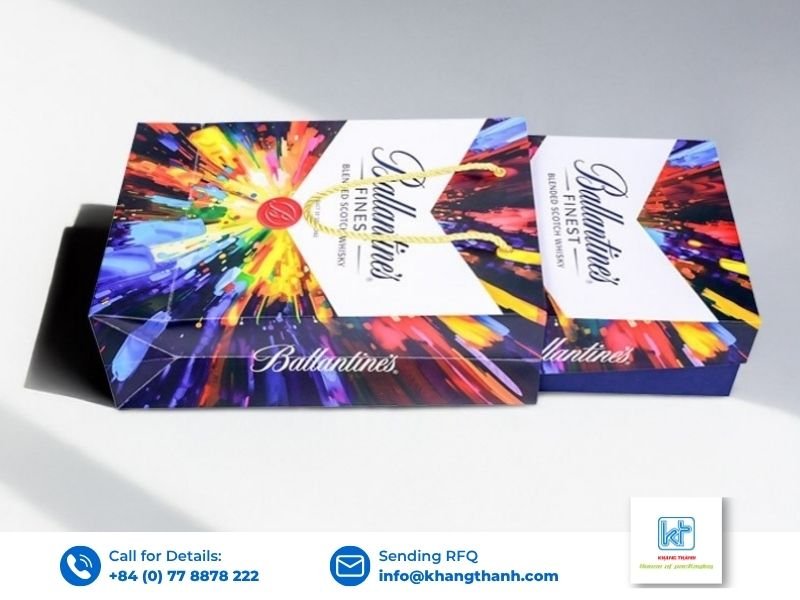
- Wine and spirits luxury boxes packaging
Instead of using excessively thick paper, manufacturers generally laminate 157gsm coated paper onto a 1.5–3mm rigid greyboard core. This construction provides excellent strength while keeping production costs under control.
- Electronics rigid setup boxes
Electronic products require strong protection during transportation. Therefore, manufacturers typically combine 250–350gsm paper with an appropriately thick greyboard core to ensure durability.

- Fashion rigid box packaging
Fashion luxury boxes packaging commonly uses 250–300gsm Ivory paper or specialty paper to deliver a premium tactile experience while reinforcing the brand’s upscale image.
>>> 8 Rigid box design trends in 2025

Does higher GSM mean better quality?
The answer is no. Because the paper weight is only one factor that determines the quality of a rigid box.
Moreover, by choosing an unnecessarily high GSM may lead to several disadvantages:
- Higher production costs
- Reduced efficiency during lamination and die-cutting
- Heavier packaging
- Increased shipping and warehousing expenses
For this reason, manufacturers should focus on selecting the most appropriate GSM rather than simply choosing the highest one available.

Key considerations when choosing paper weight for rigid boxes
A proper combination of the printed paper and the rigid greyboard core is essential for producing high-quality custom luxury rigid boxes. This combination not only enhances appearance but also improves structural performance.
Therefore , to achieve the best results, businesses should evaluate the following factors:
- Box dimensions
- Product weight
- Printing and finishing techniques
- Paper type
- Greyboard thickness
- Production budget
- Brand positioning and visual requirements
>>> Elevate brand with custom rigid box packaging
Rigid boxes GSM: Frequently asked questions
Is 300gsm paper suitable for rigid set up boxes?
Yes, but 300gsm paper alone is not sufficient.
Because the paper serves only as the outer wrapping paper, while the box’s structural strength primarily comes from the rigid greyboard core. Therefore, both materials must work together to produce durable sturdy gift boxes.
Common paper types used in rigid box production
Couche, Ivory paper, and Art paper are the most popular choices because they offer excellent print quality and are easy to process.
How to determine the ideal paper weight for luxury rigid boxes?
Businesses should evaluate the box dimensions, product weight, finishing requirements, and budget instead of selecting paper solely based on a higher GSM.

Choosing the right paper weight is essential for successful sturdy gift boxes production to balance durability, print quality, visual appeal, and manufacturing costs.
Looking for premium rigid boxes tailored to your products? Contact Khang Thanh for professional advice on paper selection, and cost-efficient rigid box packaging solutions that reflect your brand’s value.
BOXES VIETNAM
Tel: (+84) 77 8878 222
Email: info@khangthanh.com